
what are low emissivity windows
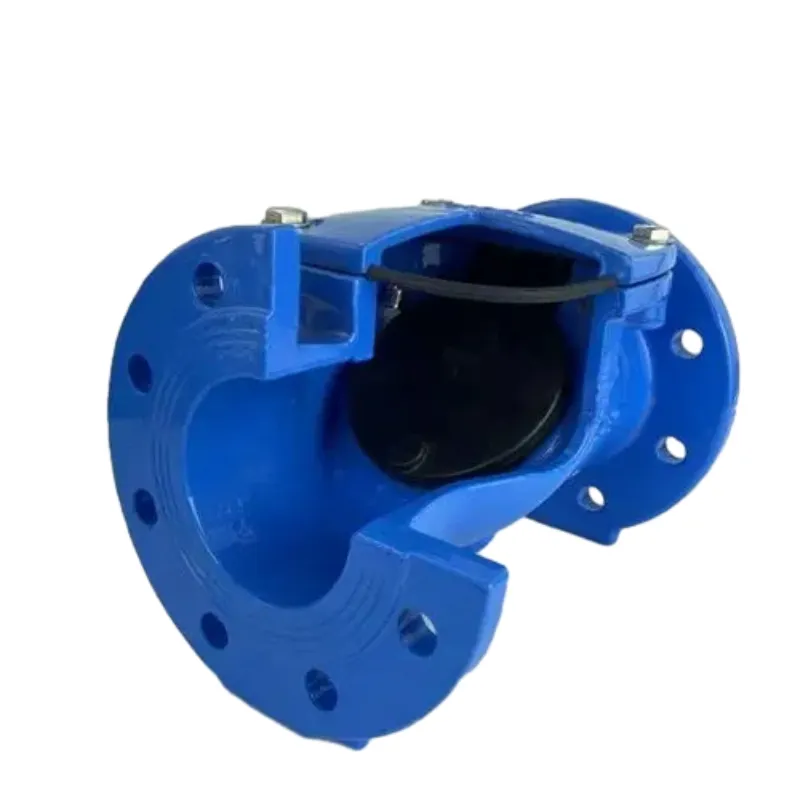
Understanding Hydraulic Pump Check Valves Hydraulic systems are critical components in various industrial applications, providing power and control for machinery and equipment. One of the essential elements of these systems is the hydraulic pump check valve. This article explores the significance of check valves in hydraulic pumps, their functionality, and their applications. A hydraulic pump check valve is a one-way valve designed to ensure that fluid flows in a specific direction within a hydraulic system. It prevents backflow, thereby maintaining system pressure and ensuring that hydraulic fluid moves only forward from the pump to the actuator or other components . This function is vital because backflow can lead to pressure drops, inefficient system operation, and potential damage to hydraulic components. The operation of a hydraulic check valve is relatively straightforward. It consists of a valve body, a seat, and a movable element, commonly referred to as a disk or ball. When the hydraulic pump generates pressure, the valve opens, allowing fluid to flow through. If there is a reverse pressure due to system dynamics or load changes, the valve closes, preventing backflow. This action is automatic and typically requires no external control, making check valves a reliable component in hydraulic systems. hydraulic pump check valve Check valves can be classified into several types, including ball check valves, spring-loaded check valves, and diaphragm check valves. Ball check valves utilize a ball that moves up and down within the valve body, while spring-loaded check valves employ a spring mechanism to either assist in closing or opening. Diaphragm check valves use a flexible diaphragm that reacts to pressure changes. Each type has its unique advantages and is chosen based on factors like pressure requirements, flow rates, and the specific application. In industrial applications, hydraulic pump check valves play a crucial role in various systems, including construction machinery, manufacturing equipment, and automotive hydraulics. For example, in excavators, check valves are essential for controlling boom and bucket movements, ensuring that heavy loads do not unintentionally drop by preventing backflow when the pump is not active. In the manufacturing sector, hydraulic systems control presses and automated machinery, where precision and reliability are paramount; check valves contribute to system stability and performance. Another critical aspect of hydraulic pump check valves is maintenance. Regular inspections for wear and tear, leaks, and proper seating are necessary to ensure their optimal function. Neglecting maintenance can lead to failures that compromise system performance, resulting in costly downtimes and repairs. In summary, hydraulic pump check valves are vital components that ensure the smooth operation of hydraulic systems by preventing backflow and maintaining pressure. Their varied designs and applications make them suitable for a wide range of industries, from construction to manufacturing. Understanding their functionality and ensuring proper maintenance is crucial for maximizing the efficiency and longevity of hydraulic systems. As industries continue to rely on hydraulic technologies, the importance of these check valves will only grow in significance.
about
what are low emissivity windows
Understanding Snap Micrometers Precision Measurement Tools in Engineering The snap micrometer, often simply referred to as a micrometer, is an instrumental tool in precision engineering and manufacturing, celebrated for its ability to measure small dimensions with remarkable accuracy. The origins of the micrometer date back to the 17th century, but the evolution of snap micrometers has made them indispensable in modern precision measurement applications. What is a Snap Micrometer? A snap micrometer features a unique design, consisting of two main parts a fixed anvil and a movable spindle that is adjusted via a screw mechanism. The measurement of an object occurs between the anvil and the spindle, which can be precisely turned to create a small gap for measurement. The measurement range of traditional micrometers is typically from 0 to 25 millimeters or other selected ranges, which can be further divided into more specific decimal points. The term snap refers to the micrometer's mechanism, where the spindle can snap into place when the object being measured is inserted, allowing for an immediate and secure measurement. This feature adds efficiency to the measurement process, ensuring that users can quickly obtain readings without the fear of misalignment or variance. Key Features and Benefits 1. Accuracy Snap micrometers are known for their exceptional accuracy, often capable of measuring to the nearest 0.01 millimeters or finer, depending on the model. This level of precision is critical in industries that require tight tolerances, such as aerospace, automotive, and electronics. 2. Ease of Use The intuitive design allows users to measure objects without extensive training. The clear scale and locking mechanism ensure that users can obtain reliable readings consistently, making it ideal for professionals and hobbyists alike. snap micrometer 3. Durability Many snap micrometers are constructed from high-quality materials, such as hardened steel or stainless steel, which not only enhances their durability but also helps preserve accuracy through consistent use . The robust design contributes to their longevity even in harsh working environments. 4. Versatility Different types of snap micrometers are available, tailored for various applications. For instance, there are specific models for measuring external dimensions, internal dimensions, and depths, making them versatile tools in any workshop or lab. Applications in Industry Snap micrometers are widely employed in different sectors where precision measurements are crucial. In manufacturing, they are essential for ensuring that parts fit together correctly, contributing to overall product quality. In laboratories, snap micrometers are used for research and development, where precision measurements can influence experimental outcomes. Additionally, these tools play a vital role in quality control. By regularly checking dimensions against specifications, manufacturers can maintain product standards and reduce waste due to faulty measurements. Conclusion In summary, the snap micrometer is a vital tool in the realm of precision measurement. With its accuracy, ease of use, durability, and versatility, it stands out as an essential instrument for engineers, machinists, and researchers alike. As industries continue to push the envelope in terms of technology and precision, the snap micrometer will undoubtedly remain a reliable partner in the quest for excellence in measurement. Whether used in high-stakes manufacturing processes or intricate experimental setups, the snap micrometer exemplifies the importance of accurate measurement in achieving quality and efficiency.
-

High quality industrial productsagement

High quality industrial products
View Details -

Meet the diverse needs of customers

Meet the diverse needs of customers
View Details -

Strict quality control

Strict quality control
View Details -

Top raw materials

Top raw materials
View Details -

Trusted supplier

Trusted supplier
View Details
Our application
news and information
Welding Station Design for Enhanced Efficiency and Precision
The Importance of a Welding Workbench in Fabrication Welding is a crucial process in various industr
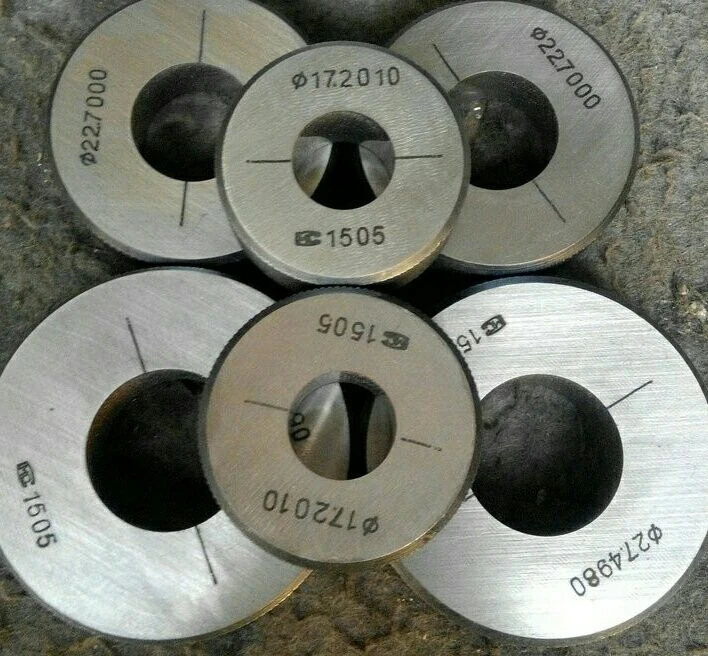
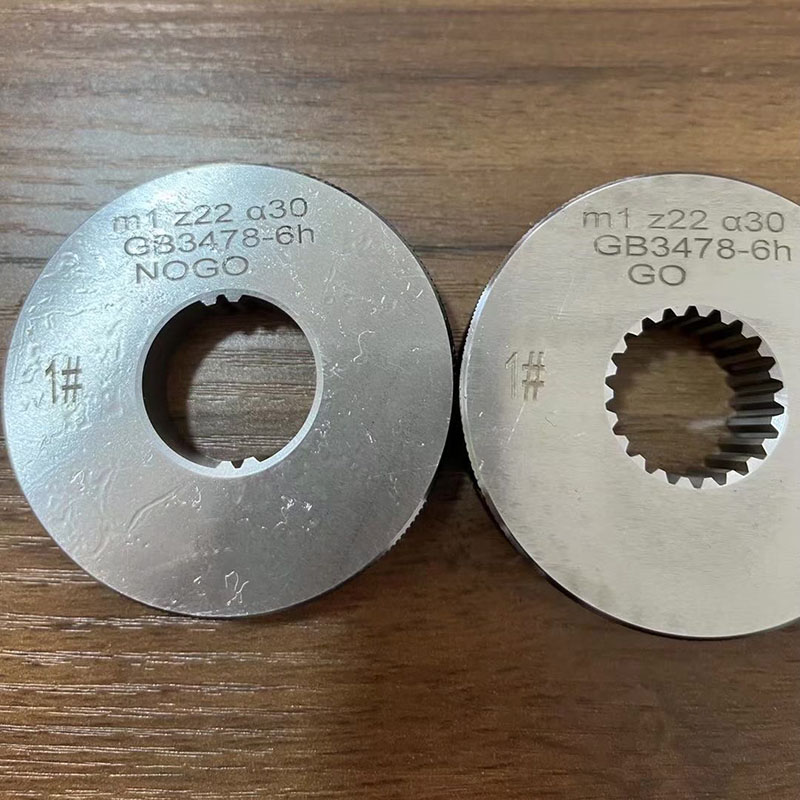
Versatile Thread Ring Gauge for Precision Measurement and Adjustment in Manufacturing Applications
adjustable thread ring gauge .

Versatile 3x6 Fabrication Table Designed for Welding Projects and Metalworking Applications
The Versatility and Importance of a 3x6 Welding Table Welding is a critical skill in various industr
 English